
The Autumn Budget 2025 - What’s To Come?
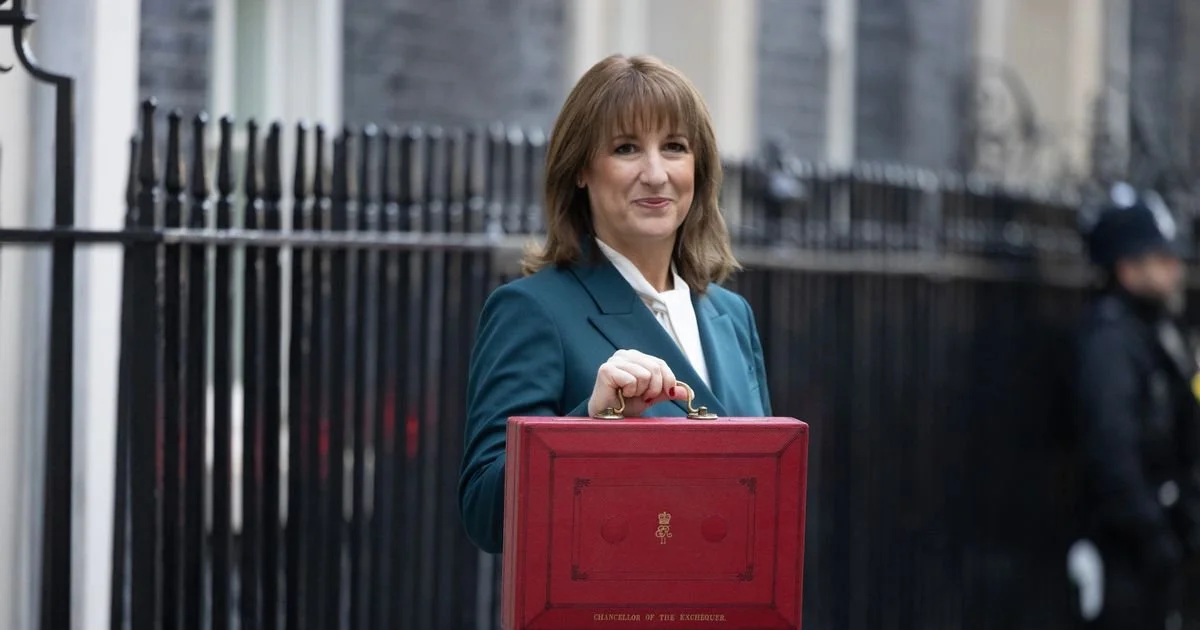
Ian Voegler - Daily Mirror
What can we expect from The Autumn Budget 2025?
An unprecedented budget. With the Chancellor of the Exchequer, Rachel Reeves, set to stand in front of the UK Government at 12.30pm, there was a lot of circulation around what was to be expected from the Autumn Budget 2025. And yet, nearly an hour before she was set to stand in front of her fellow politicians, the Office of Budget Responsibility released their forecast early, essentially earmarking most of the Chancellors’ speech, before she even had a chance to announce them.
Not great.
And they did apologise shortly after, whether that helps or not.
However, at 12.35pm, Rachel Reeves stood in Parliament, and announced the Autumn Budget 2025, and we’ve had the chance to listen to the Chancellors’ speech, and trawl through the many pages of the Autumn Budget 2025, to understand how some of the changes set to be introduced will affect our clients and the local businesses we support. So the question really is, what can we expect to see here, in Northern Ireland, immediately and over the next few years?
The Autumn Budget 2025, looks to be a classic tax and spend budget, increasing tax to allow for an increase in spending, with the focus also being on reducing the national debt and borrowing, to ensure less is being spent on interest payments, and more is being spent on areas such as the NHS and economy growth.
National Minimum Wage Increases For Many
Released early the previous day, the Prime Minister announced that the National Minimum Wage would increase in April 2026. Those aged over 21 would see wages increase from £12.21 to £12.71 from April 2026, representing an increase of 50p per hour. Those between the ages of 18 and 21 would see their rate increase from £10 per hour to £10.85 an hour, representing an increase of 85p per hour. Also, those under the age of 18 and those currently working as apprentices would see their rate move from £7.55 to £8.00, representing a change of 45p per hour.
Tax Thresholds Frozen
Tax Thresholds have been frozen until 2031, with the levels at which you currently pay Income Tax and National Insurance staying the same until 2031. So what does this mean? Currently no Income Tax is paid on the first £12,570 earned, before 20% tax is paid on earnings between £12,571 and £50,270. 40% is paid on earnings between £50,271 and £125,140 while a 45% rate applies to earnings over £125,140.
As these rates have been frozen, and therefore will not change right through to 2031, more people will begin to pay Income Tax as inflation pushes wages higher, and more people will therefore quality to pay Income Tax on their earnings. This will certainly affect those that border the higher ends of each of these brackets.
It must also be noted that the threshold as to when you begin to pay back Plan 2 Student Loan’s has also been frozen until the years 29/30. This therefore means, again, as people’s wages increase in line with inflation, more will begin to hit the threshold level to begin paying back their Plan 2 Student Loan.
Cash ISA’s & Pensions
In the Autumn Budget 2025, changes are also set to be introduced with regards to Cash ISA’s as well Pensions. The changes to be introduced to Cash ISA’s are that the £20,000 limit currently in place, will stay the same. However £8,000 of that limit must be used towards Investment vehicles, such as Stocks & Shares ISA’s. So in turn, £12,000 of the £20,000 limit will be available to be used towards Cash ISA’s. It must be noted however that this is different for over 65’s, with current limits set to stay the same. The changes mentioned above will apply from April 2027.
Pension reforms are also being introduced, with the main target for the Chancellor being Salary-Sacrificed Pension Contributions. The changes will mean that £2,000 per year can be contributed to a pension, however anything over and above that rate, will mean that National Insurance contributions will be due. This is set to be introduced from 2029. On the topic of pensions, the state pension is set to also increase, by 4.8%, from April 2026, which will result in approximately an extra £500 a year.
Another note to pensions is a reform to Inheritance Tax on unspent pensions. The Budget has outlined that any unspent pensions, will now be subject to Inheritance Tax and will fall in under Inheritance Tax laws.
Property Taxes
Property has also been a major highlight within the Autumn Budget 2025, with the so-called Mansion Tax set to take effect. To note, this is only set to be applicable to properties in England. The High Value Council Tax Surcharge (HVCTS) (or Mansion Tax as it’s been floated in the media), will affect properties over the value of £2.0 million, with a surcharge of £2,500, rising to £7,500 for properties over £5.0 million. These changes are set to be introduced from April 28.
Increases have also been introduced to Property Income Taxes (tax paid on profits made by landlords). These taxes are set to increase from April 2027, with the basic rate increasing from 20% to 22%, the higher rate increasing from 40% to 42%, and the additional higher rate from 45% to 47%. This has also been tied in with an increase of 2% for Dividend Tax and Savings Tax (taxes paid on dividends from companies and savings).
Other Key Changes
There is also notable changes that range from across a number of areas. The 5p Fuel Duty cut is set to be extended until August 2026, before levels return to those of March 2022, expected to return by March 2027. This cut is expected to continue to keep fuel prices down for the vast majority of consumers. The removal of relief on low value goods being imported is another cut that was expected, and is set to benefit local businesses from stiff competition from cheap, imported alternatives.
Capital Gains Tax rate for Business Asset Disposal Relief and Investors Relief will increase to 18%, and will come into effect from April 6th 2027. The £1.0 million Agricultural Relief allowance will be transferable between spouses / civil partners, however the government are set to clamp down on property trusts and to ensure loopholes are closed in relation to trusts.
The 2 Child Benefit Cap has been proposed to be removed by the government, albeit this will come into effect in England. Northern Ireland, as a devolved government, will need to decide this themselves, and will receive support from the UK Government, if they decide to remove the cap as well.
Electric Vehicles and Hybrid Vehicles are also set to be taxed under new measures, including the Electric Vehicle Excise Duty (eVED) as well as a potential mileage charge as well. The government plans to work with authorities to ensure new policies on this can be introduced. This is set to be introduced due to the loss in fuel duty received, as more consumers make the switch to Electric / Hybrid vehicles.
Finally, areas such as Tobacco, Vapes, Alcohol and Gambling are all set to see either, an increase in tax, or a new tax implemented in these industries. There was also a mentioned that the NI Executive is also set to receive an additional £370 million in funding, while £17 million has also been allocated for business support due to the Windsor Framework.
Key Things To Look Out For
One of the key things to watch out for is the time frames as to when these changes are set to be introduced, changes which have been announced in previous budgets being introduced this April, as well as the reaction by the government to the proposed changes and whether they are introduced / given the go-ahead. It is also worth noting that the Monetary Committee will be meeting on December 18th to meet about the Bank of England basic interest rate. This will also help to determine how well the budget has been received, and whether interest rates will be increased or decreased in the coming months and into early 2026.
A kind reminder that this blog is our interpretation of The Autumn Budget 2025 and should not be taken as advice, solely based on reading this article. If you would like to discuss Future Planning, or anything you are concerned about with regards to The Budget, then contact us today.
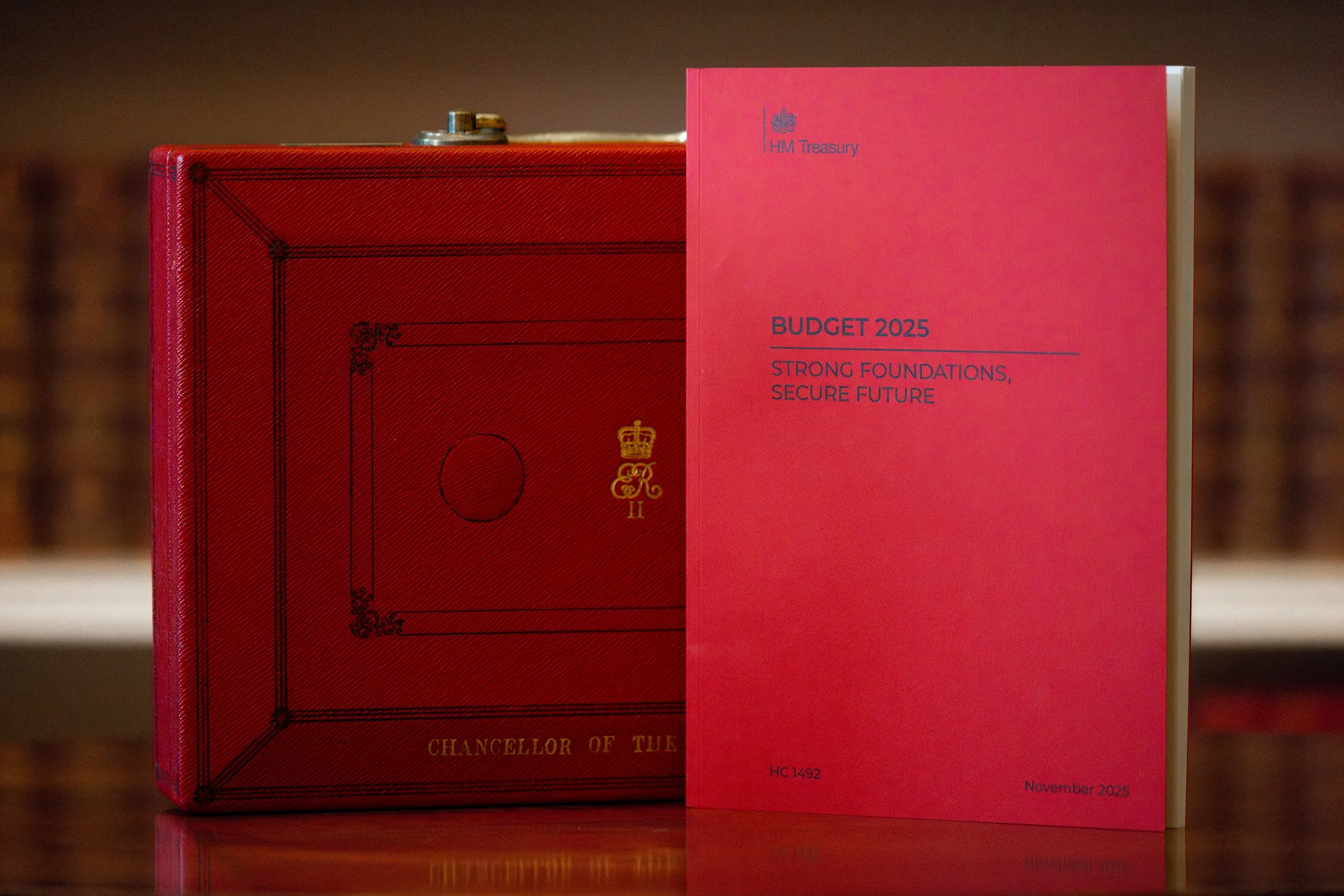
You can read the Autumn Budget 2025 here.